POO CLUES, by Christine Rose
Posted on February 17, 2026
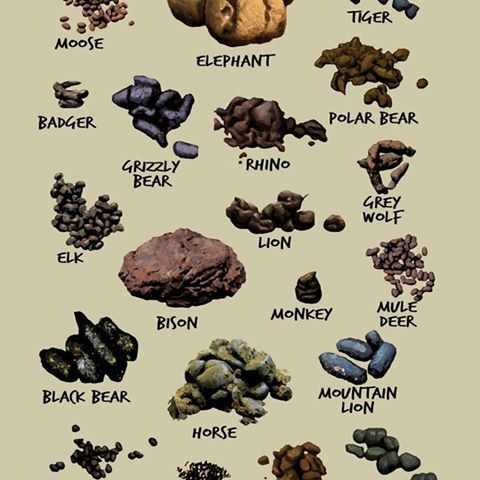
It’s a topic often shunned, yet it is the ultimate untapped resource. It identifies species and their general health, reveals information about past climate conditions, and can even create habitable landmasses! It might be a crappy topic, but May Safely Graze contributor Christine Rose wades undaunted into the wonderful world of – poo!
Every living being eats, moves, breathes, grows, reproduces, dies, and poos. But poo is seldom talked about in polite company. Yet it is essential to all life, and it can also tell us a lot about the world.
That we flush human effluent into the sea by the millions of litres, polluting the marine environment and the creatures that live there, tells us a lot about what we value. That is – easy, invisible, hidden disposal, instead of facing up to our corporeal reality.
But studying animal poo, scatology, can tell us a lot too.
By looking at poo, you can tell what sort of animal lives where, or passes by, as well as what they eat and what sort of health they are in.
Fossilised poo can tell us about past ecosystems, species, pathogen presence and climatic conditions.
Every animal species’ poo is unique. And every individual animal’s ‘waste deposit’ is different too. The size and quantity can depend on what the animal has eaten obviously, but also his or her life stage, body size and seasonal food abundance, (based on the poo size and contents), and sex and reproductive status (based on smell).
Carnivore and omnivore poo often contains indigestible fur, teeth and bones. Herbivore poo is grassy and fibrous. Insectivores like geckos and birds have similar poo that just differs in size. Wombats have square poos. Hippo poo is a defence mechanism that can be deployed to deter attack from predators. Kiwi poo smells slightly like citrus. Pukeko poos look like extruded mulched up grasses, which in fact they are.
We should see poo as a resource, not a waste, because it’s key to soil health, humus, and the mobilisation of elements through the nutrient cycle.
Large animals that travel long distances, like whales and elephants, as well as smaller animals like birds and salmon, redistribute nutrients across ecosystems and geographies.
Birds distribute seeds with convenient little fertiliser packages.
We can tell the presence of introduced pests like possums and rats from their feces in the bush, or, in the case of mice, in our ovens or cupboards. From personal experience, I can say – having more than a dozen resident ducks, that duck poo is gross and they are indiscriminate with where they lay it. People are often critical of bee poo on their cars when they’re parked on bee flyways. But a world without bee poo is a world without bees.
When I was walking among native forest recently, I noticed a big pile of splattered mess on the track. But that was the clue to the kereru – wood pigeon nest (a bundle of sticks) perched in the tree above me. Ancient deposits of sea bird guano fueled agricultural expansion and led to colonisation and fertiliser wars – as well as subsequent ecological disasters with the conversion of native ecosystems to intensive farming.
Ponder the secret and wonderful world of poo, next time you’re on the loo!
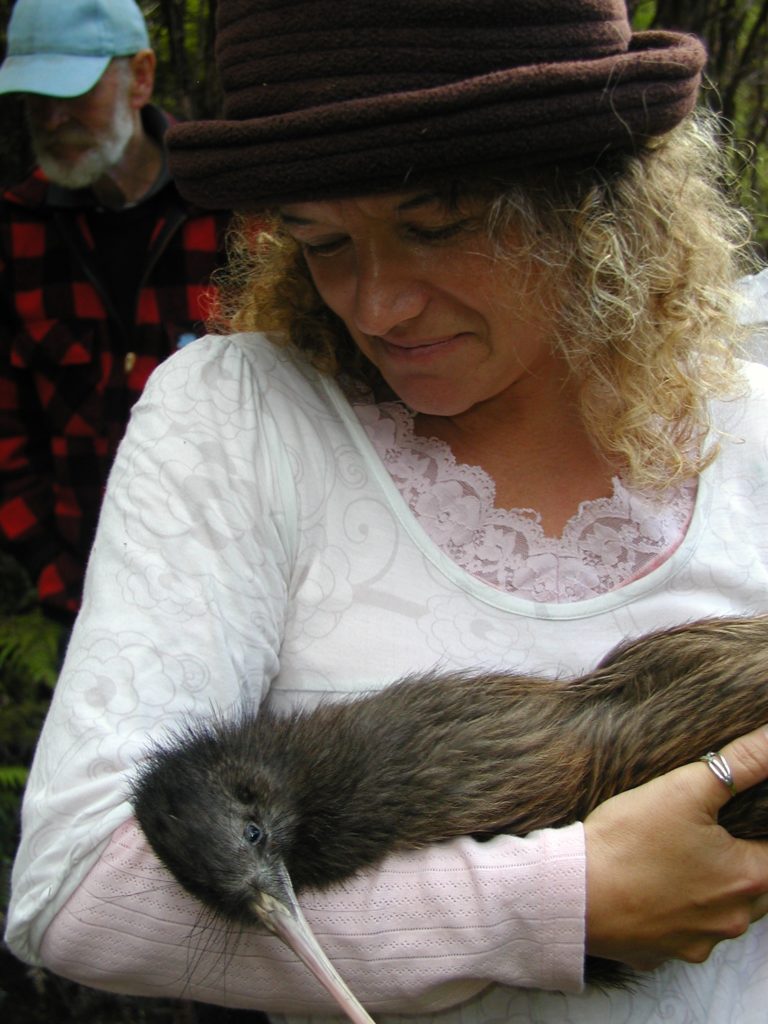
Christine Rose is a former Councillor for the Rodney District Council and the Auckland Regional Council, and was lead climate and agriculture campaigner for Greenpeace. A long time campaigner for the oceans, forests, and creatures of our planet, 25 years ago she founded, and has since run, the Māui and Hector’s Dolphin Defenders organization. Christine is a potter and painter, and says ‘I use art and politics to shape a better world.’

